
Turn product data into proof of compliance.
ComplyDPP is the Digital Product Passport platform for companies placing products on the EU market. Collect your data once, generate the passport your regulation requires, register it with the EU DPP Registry — and keep it current when the rules change.
Batteries · Toys · Textiles · Construction products · Detergents · Your own category
A Digital Product Passport is a lot of work. We make it manageable.
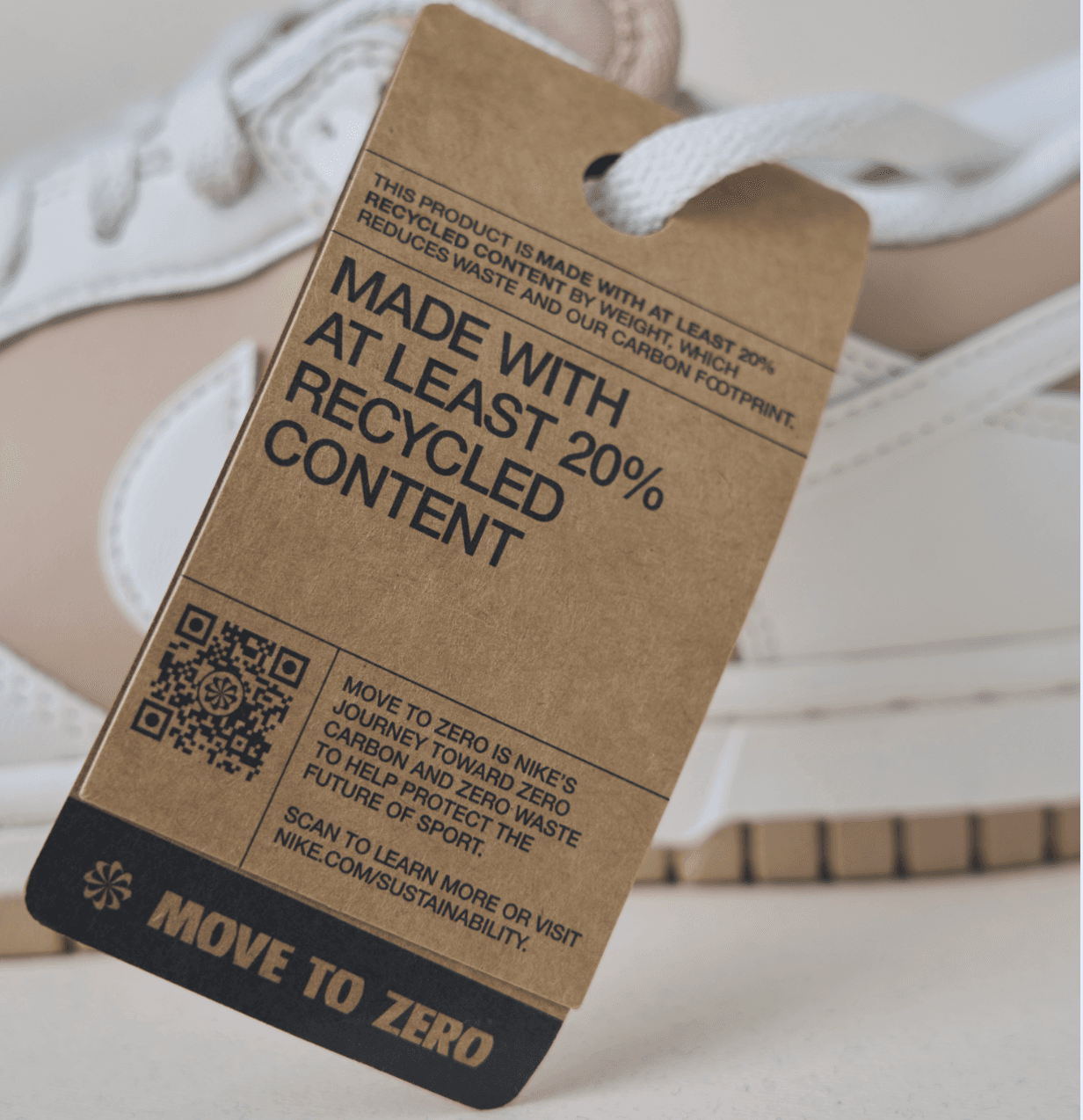
Knowing which fields a regulation asks for is only half the problem. You also have to collect that data from your suppliers, prove the product meets it, and hand something credible to a market surveillance authority or a customer. ComplyDPP covers that whole chain — not just the form.
Collect. Create. Register.
Collect
Gather the material, carbon footprint, supply chain and safety data your regulation actually asks for. Our templates are built from the published annexes, so you fill in what is required — not what someone guessed.
Create
Generate the passport against the template for your product category. Every record is versioned, so a change to a material or a supplier is a new revision, never a silent overwrite.
Register
Upload the identifier to the EU DPP Registry, publish the QR code and hand suppliers a scoped link. Consumers, market surveillance authorities and your customers each see only what they are entitled to.
Everything the passport needs, in one workspace.
Regulation templates
Field sets built from the Batteries, Toys, ESPR, Construction Products and Detergents regulations. No spreadsheet archaeology.
QR code & public page
One QR code per passport, with a public page consumers can open by scanning. Placement guidance included for product vs. packaging.
Supplier collaboration
Invite suppliers with role-based access. They see only their own products and only the fields you ask them to complete.
EU data residency
Passport data is stored on servers in Frankfurt, Germany. Your compliance documentation stays inside the EU.
The deadlines are fixed. The work does not have to be.
Batteries are the first category with a hard date: 18 February 2027, for EV, light means of transport and industrial batteries. Construction products, textiles, detergents and the rest follow. Start with the category closest to your deadline.
- July 2026Registry framework establishedEU DPP Registry framework agreed and six DPP standards published.
- 20 July 2026EU DPP Registry operationalThe register accepts passport identifiers.
- 18 Feb 2027Batteries become mandatoryDPP required for EV, LMT and industrial batteries. This is the first hard deadline.
- Q2 2027Construction productsDPP requirements under the Construction Products Regulation.
- Q3 – Q4 2027Textiles & aluminiumESPR delegated acts for textiles, aluminium and tyres.
- 2028 and beyondFurniture, mattresses, ICTFurniture from 2028, mattresses and ICT equipment from 2029.
Regulation (EU) 2023/1542 — Batteries
A Digital Product Passport becomes mandatory for electric vehicle, light means of transport and industrial batteries. Each battery carries a unique identifier and a data carrier that gives access to the declared information.
Built for the categories our customers actually ship.

Batteries
EU 2023/1542
Mandatory 18 Feb 2027

Toys
EU 2025/2509
Applies from 2030

Textiles
ESPR 2024/1781
Delegated acts pending

Construction products
EU 2024/3110
From Q2 2027

Detergents
EU 2026/405
From Q3 2029
Mandatory dates follow the published EU regulations and may change as delegated acts are adopted or amended. Categories not listed can be modelled with a custom field template.
Where the QR code has to sit on a toy.
The most common question we get is where the data carrier physically goes. Regulation (EU) 2025/2509, Article 19 is specific about it.
On the product first
The data carrier must be physically present on the toy itself, or on a label affixed to it. Packaging is not the default position.
Art. 19(7)— “The data carrier shall be physically present on the toy or on an affixed label. Where the size or nature of the toy does not allow it, it shall be affixed to the packaging, if any, or on documentation accompanying the toy.”
Visible before purchase
It has to be visible to the consumer before any purchase — including distance selling, which covers every online listing.
Art. 19(7)— “It shall be clearly visible to the consumer or other end users before any purchase and to market surveillance authorities, including in cases where the toy is made available on the market through distance sales.”
Free access on request
Distributors and marketplaces must receive a digital copy, and any request has to be answered free of charge within five working days.
Art. 19(12) — The economic operator shall provide distributors and online marketplaces with a digital copy of the data carrier or the unique product identifier, free of charge within five working days of a request.
One passport, three audiences.
For manufacturers
Collect product data across SKUs and demonstrate regulatory conformity through a single digital record per product.
For suppliers
Receive a scoped request, fill in only your own fields, and submit without seeing anyone else's product data.
For regulators & customers
Verify compliance through standardised digital access and a structured, auditable record of what was declared.
Passport data, handled properly.
EU-hosted
Data lives on servers in Frankfurt. Your compliance documentation never leaves the European Union.
Regulation-based fields
Templates are built from the published annexes, not from a generic data model.
Role-based access
Suppliers, colleagues and external reviewers each see only the fields and products they are entitled to.
Full audit trail
Every change is a new version, with who changed what and when — retrievable and exportable.
See it on your own product.
Create an account and build your first passport against the template for your category. Thirty days, no credit card, and your data stays in the EU.